
Quick Answer
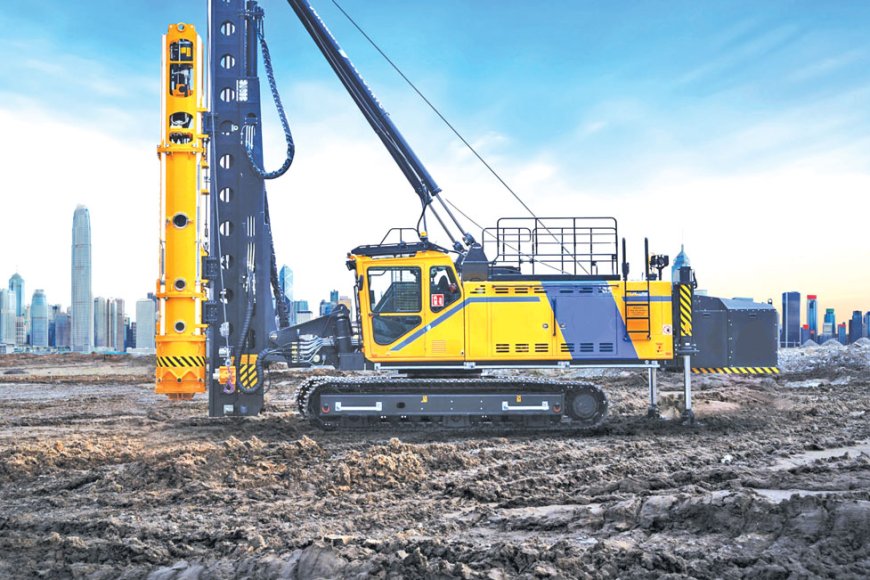
How much does a piling rig cost? There is no reliable single price. Piling rig pricing varies considerably by manufacturer, size, drilling capacity, age, condition, hours, attachments, transport requirements, technology, and market availability. Treat any public price as a starting point, not a final project budget.
Introduction
Piling rig prices vary because the machines are built for different foundation methods, depths, pile diameters, soil conditions, and job-site constraints. A compact micropile rig, a CFA piling rig, a large rotary piling rig, and a hydraulic pile driving rig can have very different specifications and support needs.
This guide explains the major pricing factors without publishing misleading fixed prices. If you are still comparing machine types, start with What Is a Piling Drill Rig?, Types of Piling Drill Rigs, and Choosing the Right Piling Rig for Your Project.
What Determines the Cost of a Piling Rig?
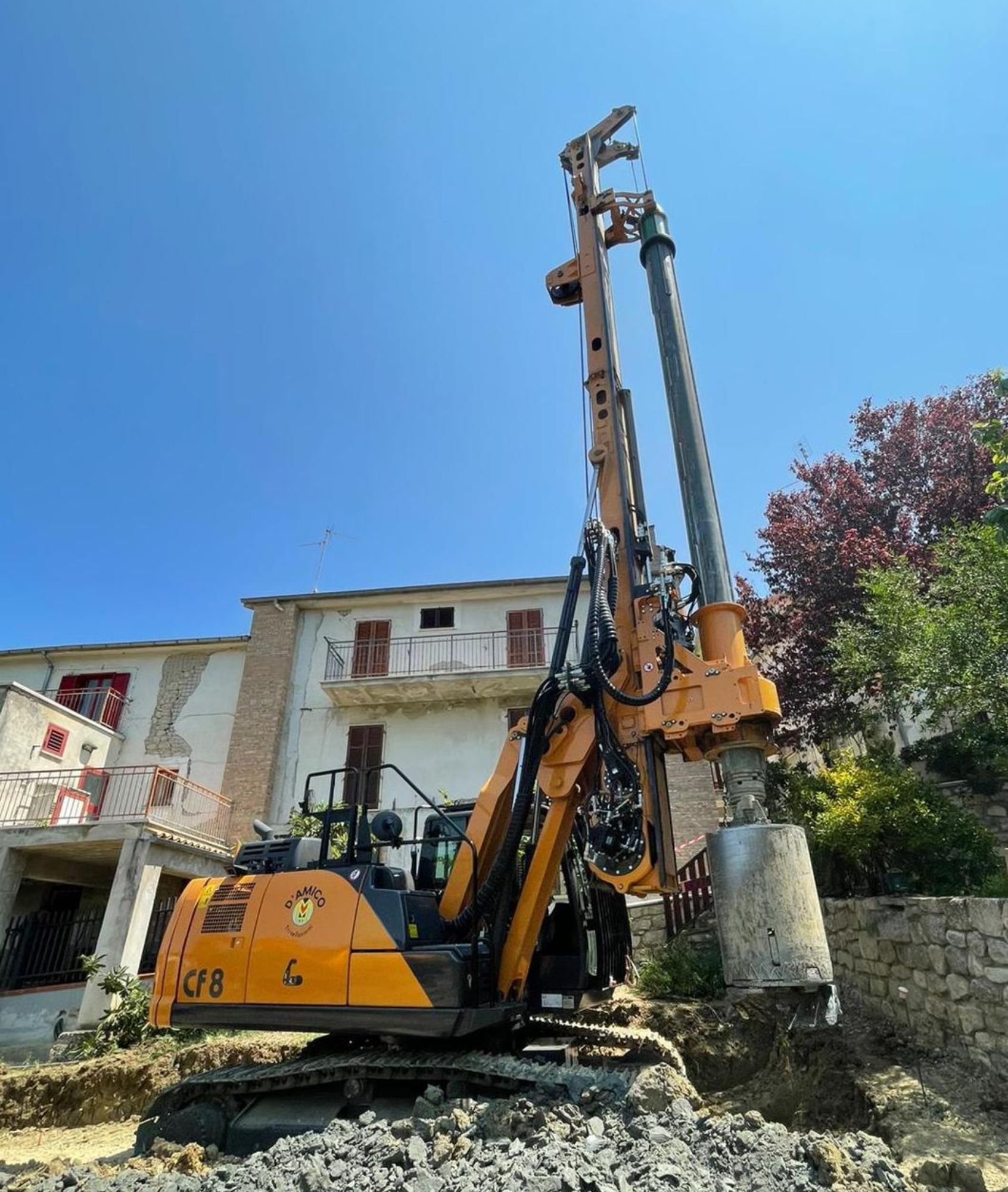
The headline piling rig price usually reflects a bundle of technical and commercial factors:
- Manufacturer: Brand reputation, parts availability, service network, and resale demand can affect pricing.
- Machine size: Larger rigs require heavier carriers, stronger masts, more transport planning, and higher operating costs.
- Drilling capacity: Torque, crowd force, extraction force, drilling depth, and pile diameter capability all influence value.
- Engine power: Higher output, emissions compliance, fuel efficiency, and engine condition matter for both cost and usability.
- Kelly bar configuration: Interlocking or friction Kelly bars, length, condition, and compatibility can materially change the package value.
- Attachments: Augers, buckets, casing drivers, rotary heads, hammers, vibrators, clamps, and tooling should be priced with the rig.
- Technology: Modern controls, assistance systems, data recording, telematics, and automation can increase purchase price but may support productivity and documentation.
- Transport requirements: Machine weight, dimensions, disassembly, permits, route restrictions, and delivery location affect the landed cost.
Compact anchor and micro piling rigs may cost less to mobilize than large rotary rigs, but the right comparison depends on pile design, access, tooling, and method.
New vs Used Piling Rigs
New piling rigs are usually chosen by contractors who need the latest technology, warranty coverage, manufacturer support, emissions compliance, and a configuration built around their work pipeline. The disadvantage is higher capital cost and longer procurement planning.
Used piling rigs can reduce upfront cost and may be available sooner. They make sense for buyers who can inspect condition, verify hours, review service history, confirm tooling, and plan parts support. The tradeoff is higher inspection risk and possible refurbishment cost.
New equipment often suits high-utilization contractors standardizing a fleet. Used equipment suits buyers needing faster availability, lower capital exposure, or a model proven on similar projects.
For current availability, review Vernep's pre-owned piling drill rigs or compare them with new and available piling drill rigs.
Additional Costs to Consider
The machine price is only one part of the budget. Buyers should also plan for:
- Shipping, route permits, port handling, local delivery, and unloading.
- Import duties, taxes, registration, documentation, and customs support.
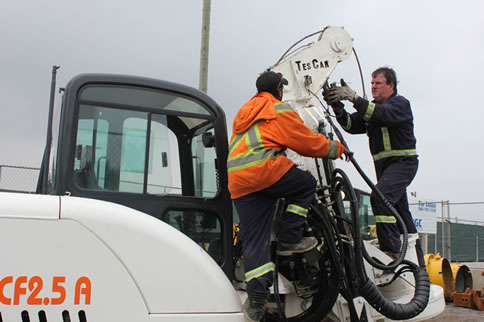
- Commissioning, inspection, setup, testing, and job-site preparation.
- Operator training, safety orientation, and method-specific familiarization.
- Maintenance, service visits, filters, fluids, hydraulic components, and diagnostics.
- Replacement wear parts such as teeth, cutting tools, casing shoes, and drilling components.
- Fuel, insurance, storage, security, and standby costs between projects.
Vernep can support equipment sourcing together with service support, parts planning, and practical advice on what should be included in a quotation.
Should You Buy or Rent?
Buying can be the right choice when you have repeat piling work, trained operators, maintenance capacity, predictable utilization, and a long-term tooling strategy. Ownership gives more control over availability, but it also places maintenance, storage, insurance, and resale risk on the buyer.
Renting may be better for short projects, method-specific work, uncertain utilization, or when you need construction piling equipment before committing capital. See Vernep's rentals page for rental support options.
How to Get an Accurate Quote
The most accurate way to estimate piling equipment cost is to discuss the project with equipment specialists. Prepare the pile type, required depth and diameter, soil information, site access limits, project country, schedule, preferred method, and whether tooling, casing, transport, commissioning, training, parts, or rental support are required.
You can contact Vernep for equipment recommendations or send a request for quotation when your project requirements are ready.
Comparison Table: Factors That Affect Piling Rig Cost
| Factor | Impact on Cost | Notes |
|---|---|---|
| Machine age | Newer machines usually cost more. | Age should be reviewed with hours, condition, and engine compliance. |
| Manufacturer | Recognized brands may command stronger prices. | Parts support, service network, and resale demand matter. |
| Attachments | Tooling can add significant cost. | Confirm Kelly bars, augers, casing, buckets, hammers, clamps, and wear parts. |
| Working hours | Higher hours can reduce value. | Hours must be interpreted with service history and application severity. |
| Condition | Good condition supports higher value. | Inspect hydraulics, mast, rotary drive, undercarriage, engine, electronics, and documentation. |
| Technology | Modern controls can increase price. | Data recording, assistance systems, telematics, and automation may improve productivity. |
Frequently Asked Questions
How much does a piling rig cost?
A piling rig cost varies widely by manufacturer, machine size, drilling capacity, age, condition, hours, attachments, technology, location, and support requirements. The most accurate price comes from a current quotation based on your project and equipment specification.
Why are piling rigs expensive?
Piling rigs are expensive because they combine heavy crawler carriers, high-torque rotary systems or leaders, hydraulic power, controls, safety systems, drilling tools, and specialized engineering for demanding foundation work.
Is buying a used piling rig worth it?
Buying used can be worthwhile when the rig has suitable specifications, verified hours, good maintenance history, compatible tooling, and available parts support. It can reduce capital cost but requires careful inspection.
How much does shipping a piling rig cost?
Shipping depends on machine weight, transport dimensions, disassembly needs, route, permits, origin, destination, port fees, and site access. It should always be quoted separately from the machine price.
Can I rent a piling rig instead of buying one?
Yes. Renting can make sense for short projects, specialized methods, uncertain utilization, or when you need equipment before committing to ownership.
What affects piling rig resale value?
Resale value is affected by brand reputation, age, working hours, condition, service history, engine compliance, attachments, tooling, documentation, market demand, and whether parts support remains strong.
References and Further Reading
Need a Current Piling Rig Quote?
Vernep can help you compare available piling rigs, pre-owned options, rental possibilities, tooling, transport considerations, and support requirements before you commit to a machine.