
Quick Answer
Choosing the right piling rig depends on soil conditions, pile type, required drilling depth, available working space, project size, transport logistics, budget, and whether the rig should be bought or rented. Start with the geotechnical report and pile design, then match the machine, tooling, and support package to the job.
Introduction
Selecting a piling rig is a project decision, not just an equipment decision. Soil conditions, pile type, drilling depth, site accessibility, project size, and budget all affect which rig will be productive, safe, and realistic to mobilize.
If you need a refresher on the basics, start with What Is a Piling Drill Rig?. If you are comparing machine families, see Types of Piling Drill Rigs.
Factors to Consider Before Choosing a Piling Rig
The fastest way to narrow the shortlist is to work from project requirements toward the equipment.
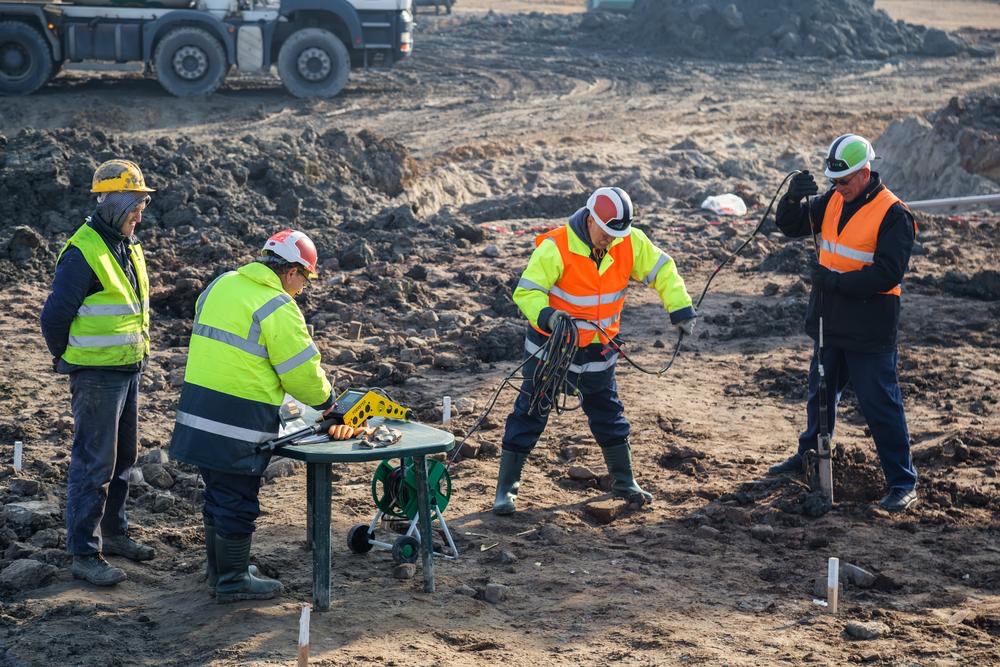
- Ground conditions: Soil, rock, groundwater, obstructions, and borehole stability determine the drilling method and tooling.
- Required pile diameter: Larger piles usually need more torque, crowd force, mast capacity, and support equipment.
- Required drilling depth: Confirm that published depth values apply to the actual mast, Kelly bar, auger, or casing setup.
- Available working space: Access width, overhead clearance, nearby buildings, utilities, and working platform capacity can rule out larger rigs.
- Project duration: Short, specialized work may favor rental. Repeat production work may justify ownership.
- Budget: Include transport, tooling, casing, fuel, operators, spare parts, service, downtime risk, and demobilization.
- Transport logistics: Check permits, route restrictions, disassembly needs, cranes, trailers, and site unloading space.
Which Type of Piling Rig Fits Your Project?
Rotary piling rigs
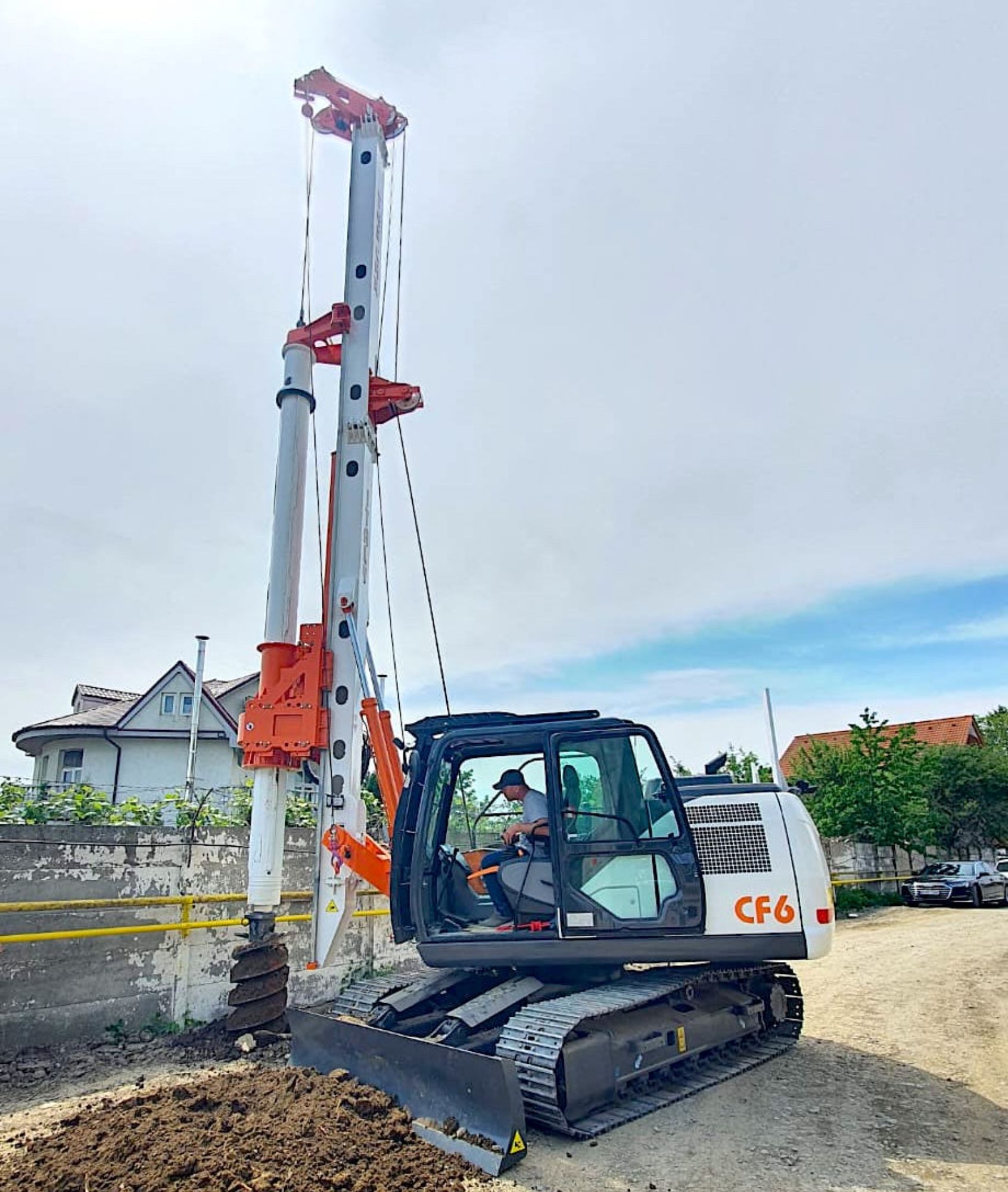
A rotary piling rig is a strong choice for bored piles, casing work, mixed ground, and projects that need flexible tooling such as augers, buckets, and core barrels.
Kelly drilling rigs
Kelly drilling rigs suit deep bored piles, larger diameters, and variable soil or rock. They are often selected when the project needs casing, slurry support, rock sockets, or high drilling flexibility.
CFA rigs
CFA rigs can be efficient for repeated pile layouts in suitable soils. They are useful where fast production and no open borehole before concreting matter, but they require careful concrete control and the right auger setup.
Micropile rigs
A micropile rig fits restricted access, low headroom, underpinning, anchors, retaining work, retrofit projects, and smaller-diameter piles near existing structures.
Hydraulic piling rigs
Hydraulic piling rigs are often used for driven piles, vibratory applications, multipurpose leader systems, and attachment-based construction piling equipment. Confirm hammer, vibrator, rotary head, and pile compatibility before choosing.
Quick Decision Guide
| Project Type | Recommended Rig | Ground Conditions | Typical Applications |
|---|---|---|---|
| Large bored piles | Rotary or Kelly drilling rig | Mixed soils, dense layers, rock sockets, cased holes. | Commercial towers, bridges, industrial foundations. |
| Fast production piling | CFA piling rig | Suitable cohesive or granular soils with limited obstructions. | Housing, warehouses, urban building foundations. |
| Restricted access work | Micropile rig | Tight sites, overhead limits, retrofit zones, variable ground. | Underpinning, anchors, slope stabilization, basements. |
| Driven or sheet piles | Hydraulic piling rig | Project-specific soils where driven systems are approved. | Retaining walls, marine works, steel piles, temporary works. |
| Short specialized project | Rental rig matched to method | Depends on pile design and tooling package. | One-off projects, trial work, uncertain future utilization. |
Common Mistakes When Choosing a Piling Rig
- Choosing based only on price: The lowest purchase or rental price can become expensive if the rig is slow, underpowered, or missing tooling.
- Ignoring soil reports: Ground conditions control method selection. A rig that works well in one soil profile may struggle in another.
- Underestimating drilling depth: Check the actual working configuration, not only the model brochure maximum.
- Renting equipment that is too small: A compact rig can save access headaches, but it still must meet depth, diameter, and torque requirements.
- Selecting unsuitable tooling: Kelly bars, augers, buckets, casing, teeth, and wear parts should be selected with the rig, not after mobilization.
Should You Buy or Rent?
Buying can make sense when you have repeat foundation work, trained operators, maintenance capacity, predictable utilization, and a tooling strategy. Review pre-owned piling drill rigs if budget control is important but ownership still makes sense.
Renting is often better for short projects, specialized methods, uncertain workload, or when you need a rig before committing capital. Vernep supports foundation equipment rentals depending on availability, location, duration, and technical requirements.
Need Help Choosing?
Our team can help you identify the right piling equipment based on your project requirements. Share the soil report, pile type, target depth, diameter, location, schedule, and support needs, and Vernep can help compare available equipment, tooling, rentals, services, and sourcing options.
You can browse available piling drill rigs, contact Vernep through the contact page, or send a request for quotation when you are ready to discuss a specific project.
Frequently Asked Questions
How do you choose the right piling rig?
Start with the soil report, pile type, required diameter, drilling depth, working space, project duration, transport limits, tooling needs, and budget. Then match those requirements to the rig configuration instead of choosing by price alone.
What is the best piling rig for construction?
The best piling rig for construction is the one that fits the method, ground conditions, access, pile depth, pile diameter, tooling, and schedule. Rotary, CFA, Kelly, micropile, and hydraulic rigs each fit different conditions.
When should you choose a CFA piling rig?
Choose a CFA piling rig for suitable soils, repeated pile layouts, and projects where fast production with no open borehole before concreting is useful.
When is a micropile rig the better option?
A micropile rig is often better for restricted access, low headroom, underpinning, slope stabilization, retrofit work, anchors, and small-diameter piles near existing structures.
Should you buy or rent a piling rig?
Buy when you have repeated utilization, trained operators, service capacity, and predictable work. Rent when the project is short, method-specific, uncertain, or requires equipment you do not need long term.
References and Further Reading
- Bauer Maschinen: Drilling methods in specialist foundation engineering
- Bauer Maschinen: Drilling rigs
- Liebherr: Drilling methods for deep foundations
- Soilmec: Piling rigs
- Junttan: Pile driving rigs
- ICE USA: Foundation pile driving and drilling equipment
- Sigma Plantfinder: Used piling and drilling machinery
Ready to Compare Piling Rig Options?
Vernep can help you review available piling drill rigs, pre-owned machines, rental options, tooling, parts, and support for your project requirements.