
Quick Answer
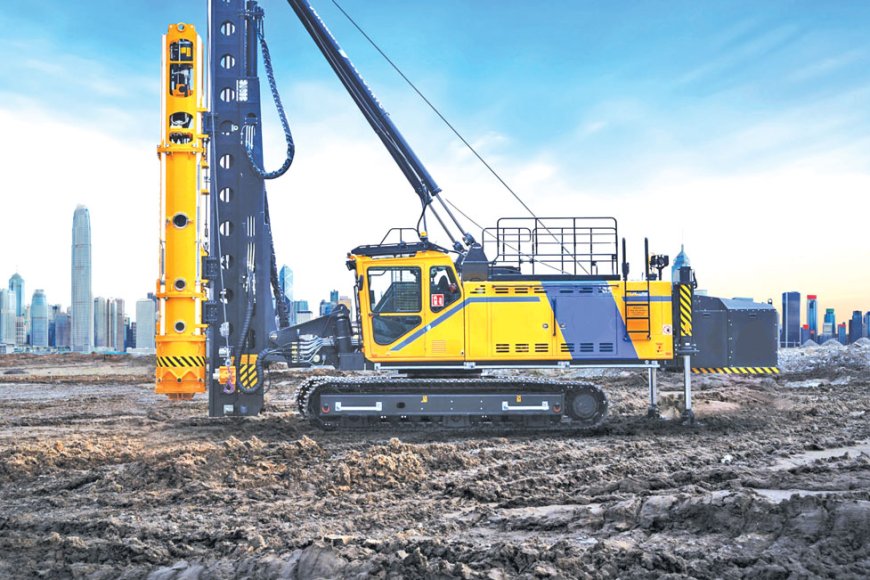
The main types of piling drill rigs are rotary piling rigs, Kelly drilling rigs, CFA piling rigs, hydraulic piling rigs, and micropile drilling rigs. Each rig type is suited to different pile sizes, depths, ground conditions, access limits, and production targets, so the right choice starts with the pile design and geotechnical report.
Introduction
Piling rig types are usually grouped by drilling method, machine configuration, and site application. Large bored piles may need a high-torque rotary or Kelly drilling rig, urban production piling may suit CFA equipment, and restricted-access work often points toward compact micropile rigs.
This guide supports What Is a Piling Drill Rig? and helps you compare machines before browsing Vernep's piling drill rig category or reviewing used piling drill rigs.
Quick Comparison Table
Depths below are planning ranges. Final capability depends on model, mast setup, tooling, torque, crowd force, operator experience, and ground conditions.
| Rig type | Best application | Typical drilling depth | Ground conditions | Main advantages |
|---|---|---|---|---|
| Rotary piling rig | Bored piles, casing work, buckets, augers, and rock tools. | Often 20-80+ m, depending on setup. | Mixed soils, dense layers, weathered rock, and cased holes. | Flexible tooling for varied foundation drilling. |
| Kelly drilling rig | Large-diameter bored piles and deep foundation shafts. | Often 30-100+ m on larger systems. | Variable soils, unstable strata with casing or slurry, and rock sockets. | Versatile for deep or technically complex piles. |
| CFA piling rig | Fast production piles and urban foundation work. | Often 15-35 m, with larger rigs reaching deeper. | Suitable cohesive and granular soils without major obstructions. | No open borehole before concreting, efficient cycles, lower vibration. |
| Hydraulic piling rig | Driven piles, vibratory work, multipurpose piling, and hydraulic drilling attachments. | Varies widely by leader, hammer, rotary head, or attachment. | Project-specific; often used for steel, concrete, or timber pile systems. | Precise control and compatibility with several piling tools. |
| Micropile drilling rig | Underpinning, anchors, restricted access, slope stabilization, and retrofit work. | Often 10-50 m, depending on rig and method. | Difficult ground, limited access, overhead restrictions, and sensitive sites. | Compact footprint for specialized foundation repairs. |
Rotary Piling Rigs
A rotary piling rig uses a rotary drive to turn augers, buckets, core barrels, casing, or displacement tools. Tooling can be adapted to pile diameter, soil, rock, and borehole support.
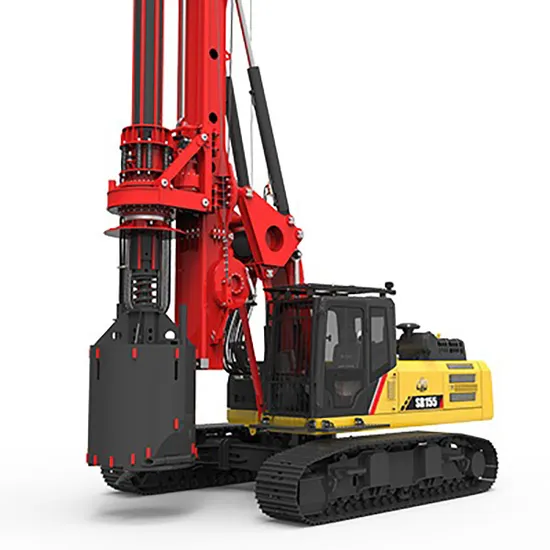
Choose rotary equipment for bored piles, changing ground conditions, casing capability, or rock drilling. Compare torque, crowd force, extraction force, operating weight, transport dimensions, and tooling.
Kelly Drilling Rigs
A Kelly drilling rig is a rotary rig configured around a telescopic Kelly bar. The bar transfers torque and crowd force to the drilling tool, making this method useful for deep bored piles, large diameters, and projects that may require casing or drilling fluid.
Kelly drilling is often the stronger choice when pile diameter, depth, or mixed ground makes simpler auger methods less practical. It needs the correct Kelly bar, casing system, drilling bucket, teeth, and operator experience.
CFA Piling Rigs
A CFA piling rig uses a continuous flight auger. The auger drills to depth, concrete or grout is pumped through the hollow stem, and the auger is withdrawn as the pile is formed. Reinforcement is typically installed after concreting while the material remains workable.
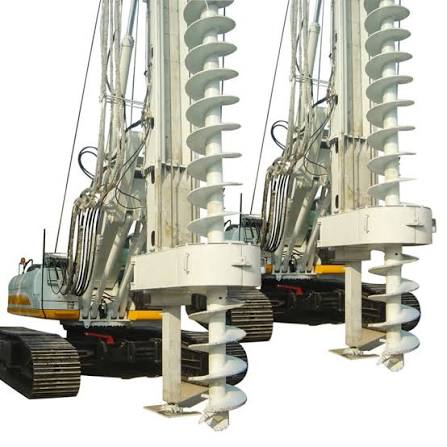
CFA piling can be efficient for suitable ground and repeated pile layouts. It is less forgiving when ground contains major obstructions, concrete control is poor, or the project exceeds the rig's depth and diameter configuration.
Hydraulic Piling Rigs
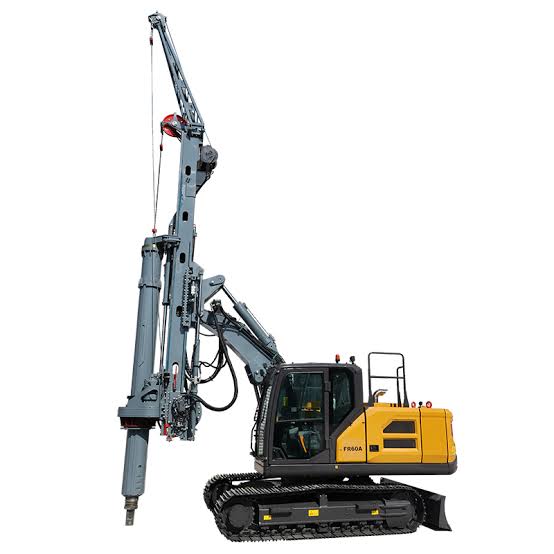
Hydraulic piling rig is a broad term, not one drilling method. It may refer to pile driving rigs, multipurpose leader rigs, vibratory systems, press-in equipment, or drilling rigs with hydraulic rotary heads.
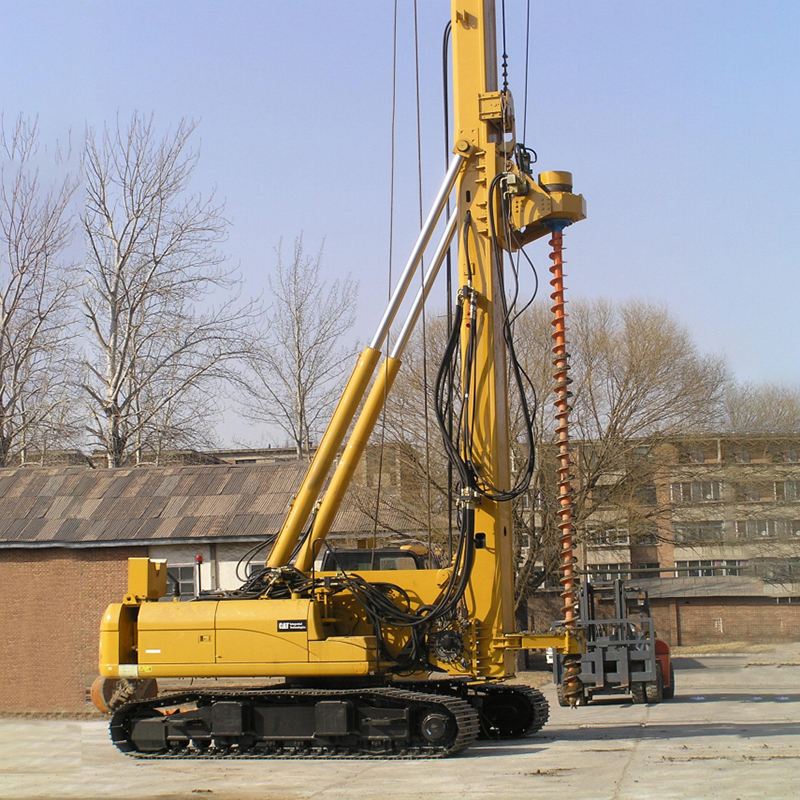
They are often selected for productivity, controlled operation, pile positioning, and compatibility with hammers, vibrators, rotary heads, or other attachments. For driven piles, sheet piles, or mixed methods, confirm the exact attachment package before comparing machines.
Micropile Drilling Rigs
Micropile drilling rigs are compact machines used for small-diameter piles, anchors, tiebacks, underpinning, slope stabilization, and restricted-access foundation work.
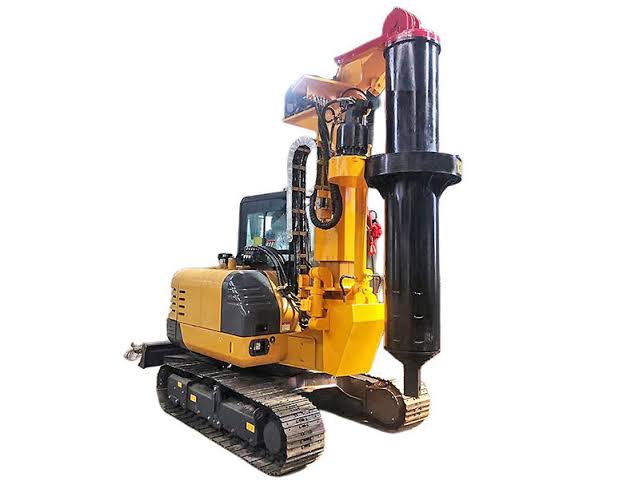
For these projects, browse Vernep's anchor and micro piling rigs. Check access width, headroom, drilling angle, required depth, grout system, casing size, tooling, and nearby structures.
Which Piling Rig Should You Choose?
Start with the engineering requirements, then work backward to the machine. Review the soil report, pile depth, pile diameter, verticality tolerance, spoil handling, groundwater, access routes, working platform, tooling, and schedule.
If utilization is uncertain, renting foundation equipment may be more practical than buying. For repeated work, a used or new rig may provide better control. Vernep can help compare piling drill rigs, used piling rigs, and micropile rigs.
Frequently Asked Questions
What are the main types of piling drill rigs?
The main types are rotary, Kelly, CFA, hydraulic, and micropile drilling rigs. Choose based on pile size, depth, soil, access, and the specified piling method.
Is a rotary piling rig the same as a Kelly drilling rig?
Not exactly. Kelly drilling is a rotary bored piling method using a telescopic Kelly bar, while rotary rigs can support several tools and configurations.
When should you use a CFA piling rig?
Use a CFA piling rig for suitable production piling where a continuous auger process and no open borehole before concreting are preferred.
What is a micropile drilling rig used for?
A micropile drilling rig is used for small-diameter piles, anchors, underpinning, slope stabilization, retrofit work, and restricted-access sites.
What is the best piling rig for construction?
The best piling rig for construction is the rig that matches the pile design, soil report, access, tooling, operator capability, schedule, and budget.
References and Further Reading
- Bauer Maschinen: Drilling methods in specialist foundation engineering
- Bauer Maschinen: Drilling rigs
- Liebherr: Drilling methods for deep foundations
- Soilmec: Piling rigs
- Soilmec: Micropiles and tunnels
- Junttan: Hydraulic pile driving rigs
- Equipment Corporation of America: Drilling and pile driving equipment
Need Help Choosing a Piling Rig?
Vernep can help you compare piling rig types, check current inventory, review rental options, and identify the tooling or support your project may require.