
Quick Answer
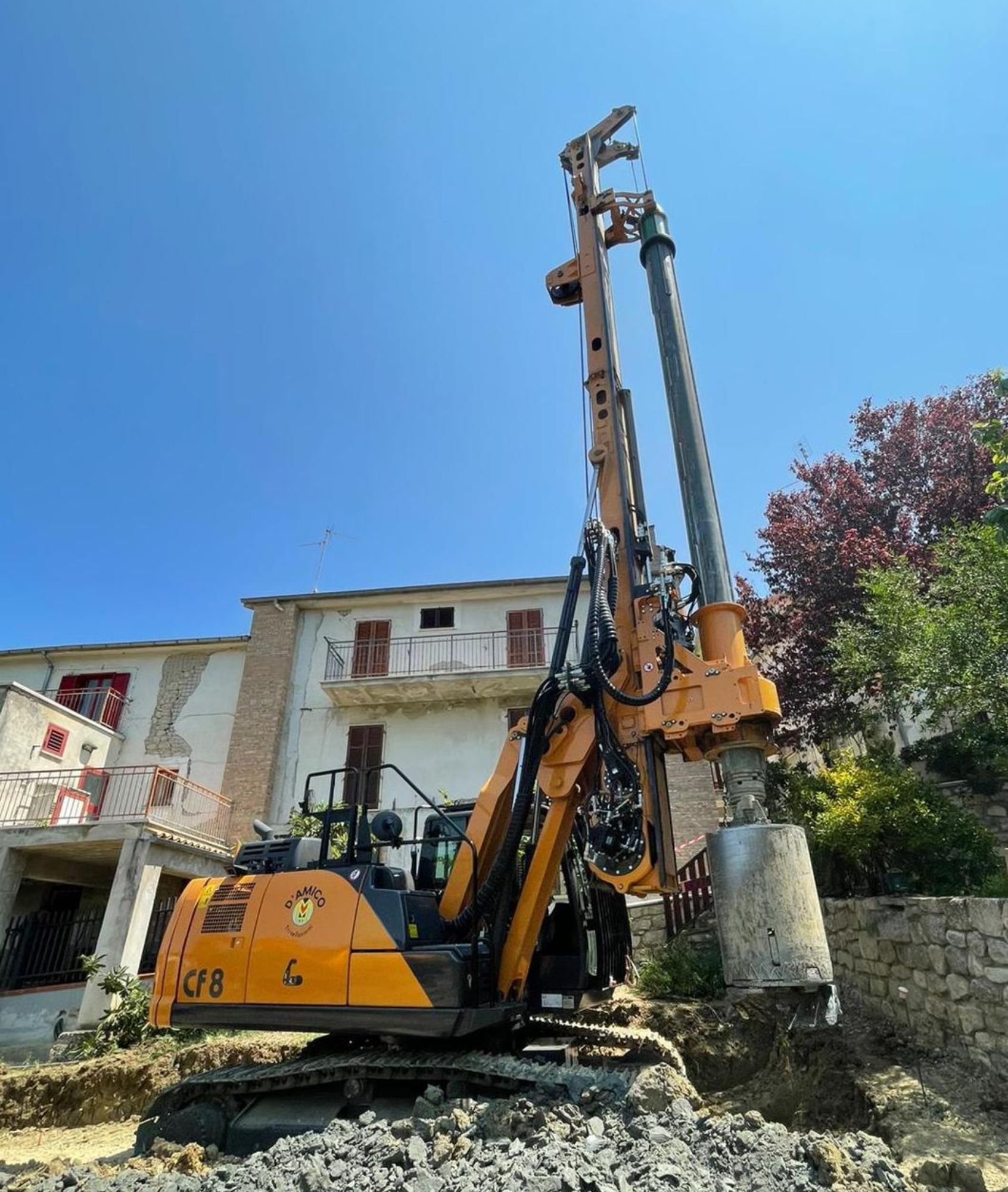
A piling drill rig is a tracked foundation drilling machine used to create deep holes for piles, usually by rotating a Kelly bar, auger, casing, bucket, core barrel, or displacement tool into the ground. It helps contractors build deep foundations where shallow footings cannot safely carry loads because of weak soil, heavy structures, limited access, groundwater, or settlement risk.
A piling rig is one of the most important machines in deep foundation construction. Contractors use it when a structure needs support below weak or variable near-surface soil. Instead of relying only on shallow footings, a piling drill rig helps create piles that transfer loads deeper into the ground, often into dense soil or rock layers selected by the geotechnical design.
This guide explains piling drill rigs in practical terms for contractors, engineers, procurement teams, equipment buyers, and students. It covers what the machine does, how it works, common piling methods, important specifications, and when it may be better to buy, rent, or source a rig through a supplier such as Vernep.
What a Piling Drill Rig Does in Foundation Work
A piling drill rig creates or installs piles for deep foundations. A pile is a long foundation element that carries building or infrastructure loads into deeper ground. Depending on the project, the pile may be formed in place with concrete and reinforcement, or a prefabricated pile may be driven, vibrated, pressed, or installed with a specialized attachment.
The term piling rig is sometimes used broadly. On many job sites it can refer to rotary drilling rigs, CFA rigs, micropile rigs, pile driving rigs, or combined piling and drilling machines. A piling drill rig is more specific: it refers to equipment that drills, bores, or displaces ground as part of pile construction.
Why deep foundations are needed
Deep foundations are used when shallow soil cannot safely support the project. Common reasons include heavy structural loads, soft or compressible soil, high groundwater, variable ground layers, existing structures nearby, settlement control requirements, or limited space for excavation.
Drilled piles vs driven piles
Drilled piles are usually formed by removing or displacing soil, placing reinforcement, and filling the hole with concrete or grout. Driven piles are prefabricated elements pushed into the ground by impact, vibration, or pressing. Many projects use one family of methods, but some large sites require more than one technique.
Main Parts of a Piling Drill Rig
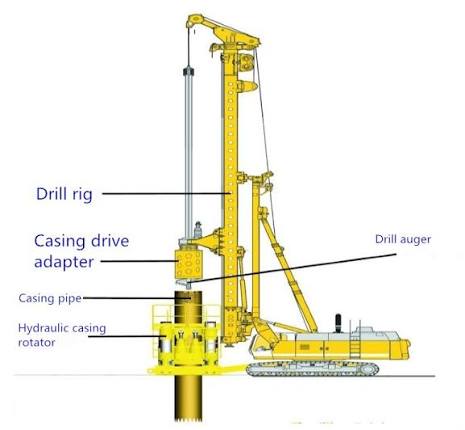
Exact configurations vary by manufacturer and method, but most piling drill rigs share the same major systems.
Carrier and crawler undercarriage
The carrier supports the rig and moves it around the site. Crawler tracks spread the machine's weight and provide stability on prepared working platforms. Operating weight and ground pressure matter because foundation sites often involve uneven, wet, or recently prepared ground.
Mast or leader
The mast supports and guides the drilling equipment. A taller mast can handle longer tooling or deeper configurations, while compact rigs may use shorter masts for restricted-access sites. Mast stability and alignment are essential for vertical pile construction.
Rotary drive
The rotary drive delivers torque to the drilling tool. Torque matters when the rig must turn casing, augers, buckets, or core barrels through dense soil, rock, or obstructions. For many buyers, rotary torque is one of the first specifications to review.
Kelly bar, auger, casing, and drilling tools
Tools change according to method and ground conditions. A Kelly bar can transfer rotation and crowd force to buckets or core barrels. CFA rigs use continuous augers. Casing can support unstable boreholes. Rock tools, drilling teeth, cutting shoes, and wear parts must match the soil and pile design.
Controls, monitoring, and support systems
Modern rigs often include electronic controls, data recording, verticality assistance, depth monitoring, and operator support systems. These features do not replace good site planning, but they can help improve consistency, productivity, and documentation.
How a Piling Drill Rig Works
The detailed process depends on the piling method, soil profile, pile design, and contractor procedure. A typical drilled pile workflow follows these broad stages.
- Prepare the working platform. The site must be able to support the rig, crawler movement, service equipment, concrete trucks, reinforcement cages, and tooling.
- Set out the pile location. The rig is positioned over the designed pile point, and verticality or inclination is checked.
- Drill, bore, or displace the ground. The rig uses a Kelly tool, auger, casing, or displacement tool to reach the required depth or design layer.
- Support the borehole if needed. Depending on ground conditions, casing or drilling fluid may be used to keep the excavation stable before concreting.
- Place reinforcement and concrete. Reinforcing cages, grout, or concrete are installed according to the method and engineering design.
- Record and verify the work. Depth, verticality, concrete volume, pressure, spoil, tooling, and inspection results may be recorded for quality control.
Common Piling Rig Methods
Piling drill rigs can support several foundation methods. The best method is normally selected by the engineer and specialist contractor after reviewing loads, soil, groundwater, neighboring structures, productivity, and environmental restrictions.
| Method | How it works | Common use | Key consideration |
|---|---|---|---|
| Kelly drilling | A telescopic Kelly bar transfers torque and crowd force to buckets, augers, or core barrels. | Large bored piles, deep foundations, rock sockets, varied ground. | Often flexible, but productivity depends on tooling, spoil handling, casing, and soil conditions. |
| CFA drilling | A continuous flight auger drills to depth, then concrete or grout is pumped through the hollow stem as the auger is withdrawn. | Urban and production piling where open boreholes should be avoided. | Requires careful control of extraction rate, concrete pressure, spoil, and reinforcement placement. |
| Cased CFA | Combines CFA drilling with casing support. | Secant pile walls and ground where additional borehole control is useful. | Can improve vertical control and bore protection but requires compatible rig setup and tooling. |
| Full displacement piling | A displacement tool presses and rotates into the soil, forming an in-situ pile with reduced spoil. | Sites where vibration control and reduced excavation material are priorities. | Needs suitable soil and a rig with enough torque, crowd force, and mast strength. |
| Double rotary drilling | Drilling tool and casing are advanced together, often with separate rotary drives. | Unstable ground, obstructions, or difficult drilling conditions. | Tooling and setup are more specialized than basic rotary drilling. |
| Pile driving or vibrating | A hammer, vibrator, or press installs prefabricated piles. | Steel, precast concrete, sheet piles, retaining systems, marine and infrastructure work. | Noise, vibration, pile type, access, and nearby structures can control method selection. |
Piling drill rig vs pile driver
The difference is simple but important. A piling drill rig creates a pile by drilling, boring, or displacing ground. A pile driver installs a prefabricated pile by impact, vibration, or pressing. Combined rigs can sometimes handle both drilling and piling attachments, but each project should be reviewed around the exact method required.
Where Piling Drill Rigs Are Used
Piling drill rigs are used wherever deep foundation performance matters more than simple excavation speed. Common applications include:
- Commercial and residential buildings on weak or variable ground.
- Bridges, highways, rail, ports, and heavy civil infrastructure.
- Industrial plants, storage facilities, tanks, and equipment foundations.
- Retaining walls, secant pile walls, diaphragm wall support, and excavation support.
- Slope stabilization, seismic retrofitting, and foundation remediation.
- Restricted-access work near existing buildings, basements, or overhead structures.
Types and Sizes of Piling Rigs
Piling rigs range from compact limited-access units to large rotary drilling rigs. Published manufacturer data shows that large modern rotary rigs can reach very deep pile depths and large pile diameters in suitable configurations, while compact rigs are designed for access, mobility, and constrained job sites.
Large rotary piling rigs
Large rotary rigs are used for demanding bored pile work, deep piles, larger diameters, and difficult soil or rock. They usually require stronger working platforms, more transport planning, larger support equipment, and experienced operators.
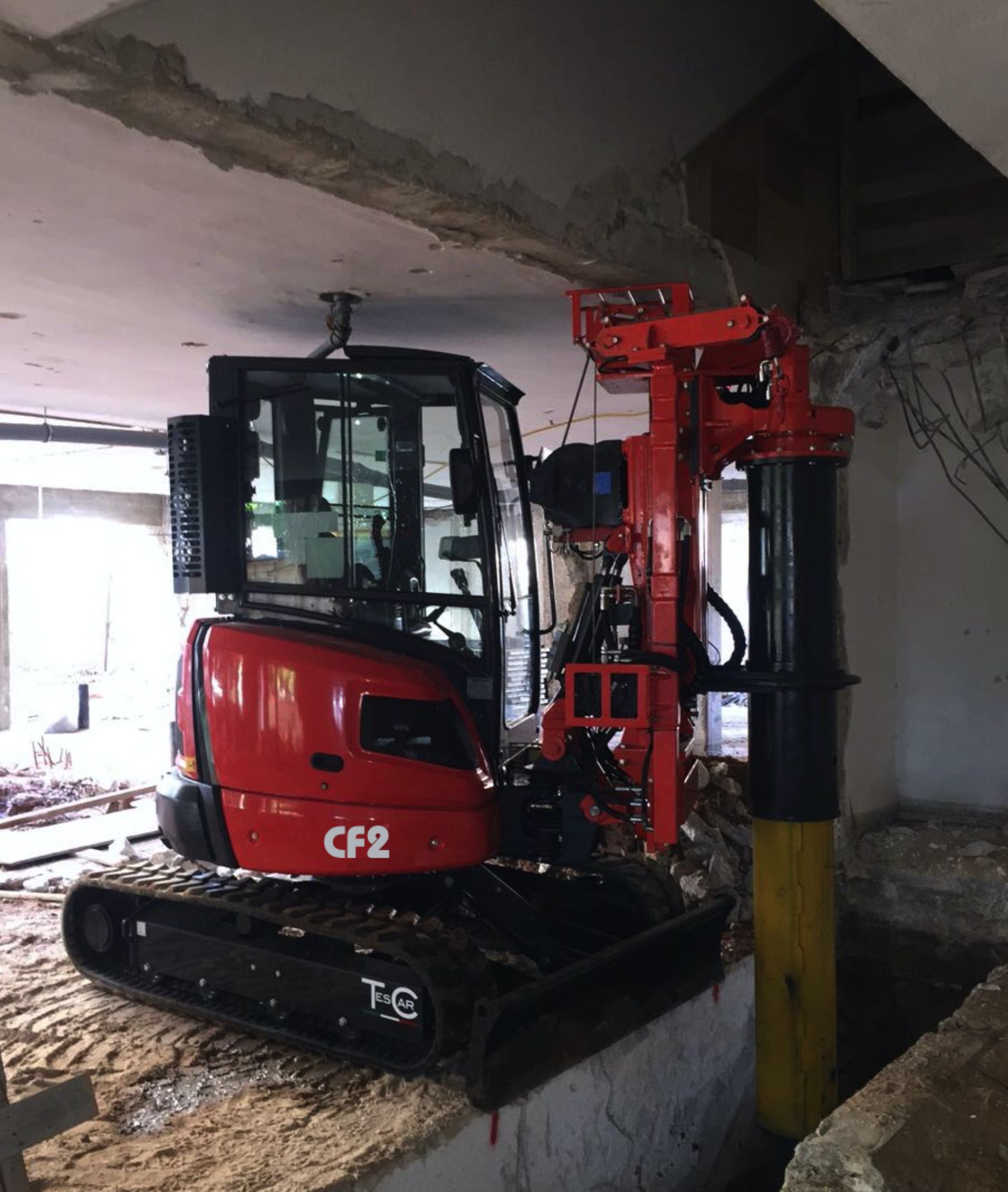
Compact and limited-access rigs
Compact rigs are useful where large rigs cannot practically work. Examples include renovation projects, basements, existing structures, urban sites, low headroom, and narrow access routes. The tradeoff is usually reduced depth, diameter, or tooling capacity compared with larger rigs.
Combined piling and drilling rigs
Some machines are built to accept multiple attachments for drilling, vibrating, impact driving, soil mixing, and related methods. These can be valuable for contractors who perform varied foundation work, but buyers should confirm the exact attachments and configurations included with the machine.
Micropile and anchor rigs
Micropile rigs are usually smaller and more specialized. They are often selected for underpinning, restricted access, retrofit work, difficult ground, and projects where small-diameter piles or anchors are required.
Key Specifications Buyers Should Understand
Procurement teams often see piling rig specifications before they fully understand what each number means. The table below summarizes the specs that usually deserve early attention.
| Specification | Why it matters | Question to ask |
|---|---|---|
| Maximum torque | Shows the rotary drive's ability to turn tools through resistance. | Is it enough for casing, rock tools, or dense strata on this project? |
| Crowd force and extraction force | Affects penetration, tool control, and removal from difficult ground. | Does the rig have enough force for the selected method and soil? |
| Maximum drilling depth | Defines practical reach in the selected configuration. | Does the depth apply to the actual tooling and setup being supplied? |
| Maximum drilling diameter | Controls pile size capability. | Can the rig and tooling achieve the design diameter in the expected ground? |
| Operating weight and transport | Affects mobilization, permits, working platform design, and site access. | Can the rig reach the site and move safely on the prepared platform? |
| Tooling and accessories | The rig is only as useful as the tools supplied with it. | Are Kelly bars, augers, buckets, casing, teeth, wear parts, and pumps included or sourced separately? |
| Service and parts support | Downtime can be expensive on foundation projects. | Who can support the rig, parts, tooling, and troubleshooting after delivery? |
How to Choose the Right Piling Drill Rig
The best rig is selected from the project backward. Start with the engineering requirements and job-site constraints, then match machine capability, tooling, and support.
Review the geotechnical report
Soil type, groundwater, rock, obstructions, contamination, and bearing layers influence the drilling method and tooling. A rig that performs well in one ground profile may be inefficient or unsuitable in another.
Confirm pile depth and diameter
Depth and diameter narrow the machine list quickly. Always check that published maximum values apply to the proposed configuration, not just the model family.
Check access and working platform limits
Access roads, overhead clearance, turning area, ground bearing capacity, nearby utilities, and exclusion zones can determine whether a large rig, compact rig, or limited-access rig is realistic.
Match the rig with tooling and support equipment
A piling rig may need casing, drilling buckets, core barrels, augers, concrete pumps, grout plants, cranes, air compressors, tooling, teeth, and wear parts. Vernep supports customers with piling drill rigs, casing, tooling, wear parts, and related technical service support.
Should You Buy or Rent a Piling Rig?
Buying and renting can both be right decisions. The better option depends on utilization, project duration, available operators, cash flow, tooling needs, maintenance capability, and schedule risk.
| Decision factor | Buying may fit when... | Rental may fit when... |
|---|---|---|
| Utilization | You have repeat foundation work and can keep the rig active. | The project is short, irregular, or method-specific. |
| Capital planning | You want long-term control over equipment availability. | You want to preserve capital or avoid owning a specialized machine. |
| Tooling | You already own or plan to standardize tooling. | You need a project-specific setup with support. |
| Maintenance | You have service capacity, parts planning, and trained operators. | You prefer supplier support and simpler close-out after the job. |
| Project risk | The same rig will support a pipeline of similar work. | Ground conditions, method, or future workload are uncertain. |
For current availability, customers can browse piling drill rigs, review pre-owned piling drill rigs, or contact Vernep about foundation equipment rentals.
Safety and Site Planning Basics
Piling work involves heavy machinery, high torque, suspended loads, rotating tools, deep excavations, concrete operations, and changing ground conditions. Planning must involve competent engineering, site supervision, trained operators, and local safety requirements.
Working platform and ground bearing
A piling rig needs a stable working platform. Ground failure under a heavy crawler rig can create serious safety and productivity risks. The platform should be designed, inspected, maintained, and clearly communicated to the operating team.
Noise, vibration, spoil, and groundwater
Noise and vibration can affect nearby structures and communities, especially for driven or vibratory methods. Drilled methods may reduce some vibration concerns but introduce other issues such as spoil handling, concrete control, casing, slurry, groundwater, and bore stability.
Frequently Asked Questions
What is a piling drill rig?
A piling drill rig is a foundation drilling machine used to create deep holes or install piles that transfer structural loads into stronger soil or rock below the surface.
What is the difference between a piling rig and a pile driver?
A piling drill rig usually drills, bores, or displaces soil to form a pile. A pile driver uses impact, vibration, or pressing force to drive a prefabricated pile into the ground.
How does a piling drill rig work?
The rig is positioned over the pile location, uses a rotary drive and tool such as a Kelly bar, auger, casing, bucket, or displacement tool to create the pile, and then supports reinforcement and concreting or pile installation according to the selected method.
Where are piling rigs used?
Piling rigs are used for buildings, bridges, industrial facilities, retaining walls, marine works, slope stabilization, infrastructure projects, and other sites that require deep foundations.
Should you buy or rent a piling rig?
Buying may make sense for repeat foundation contractors with steady utilization, trained operators, tooling, and service capacity. Renting is often better for short projects, specialized methods, uncertain utilization, or teams that need support before committing capital.
References and Further Reading
The article was developed from manufacturer and industry sources, then rewritten as original Vernep guidance for buyers and project teams.
Need a Piling Drill Rig for an Upcoming Project?
Vernep can help you review available piling drill rigs, pre-owned equipment, rental options, casing, tooling, wear parts, spare parts, and service support for foundation projects.