
Quick Answer
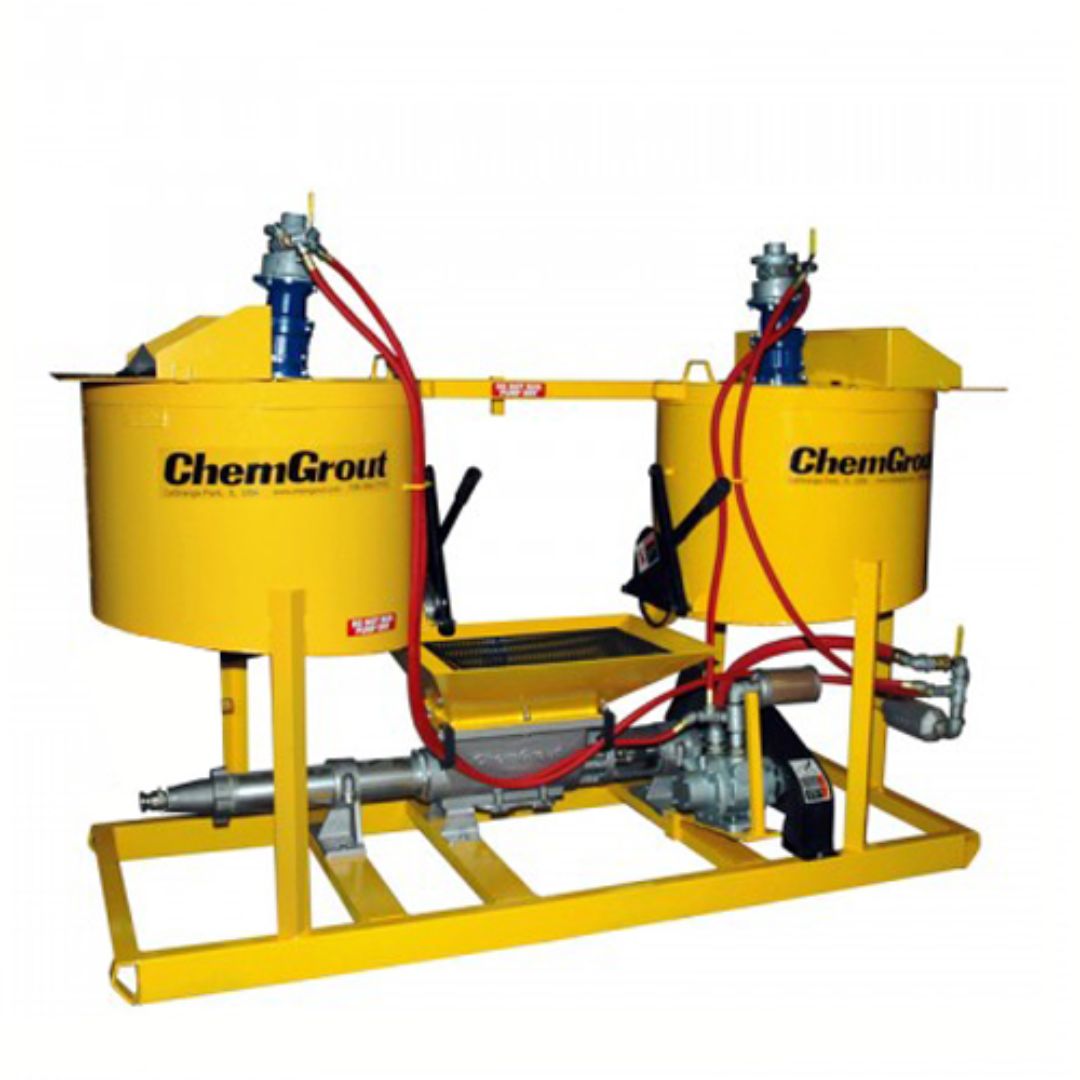
The main types of grout plants are colloidal grout plants, paddle grout plants, mobile grout plants, automatic grout plants, and high-capacity grout plants. The right type depends on grout mix design, required output, pumping pressure, site access, mobility, and how much batching or injection control the project requires.
Grout Plant Types at a Glance
There is no single universal way to classify grout plants. Some manufacturers group them by mixing method, such as colloidal or paddle mixing. Others group them by application, mobility, automation level, or pump arrangement. For most contractors, the useful question is simple: which grout mixing plant will produce the right material, at the right rate, under the right control?
| Type | Best fit | Main advantage | Common considerations |
|---|---|---|---|
| Colloidal grout plant | Stable cement grout, tunneling, geotechnical work, anchors, dams. | High-shear mixing for consistent grout suspension. | Higher specification and more attention to mix design. |
| Paddle grout plant | General cement grouting, repair work, construction grouting. | Simple operation and familiar maintenance. | May not suit every high-stability or specialist grout mix. |
| Mobile grout plant | Sites with multiple work fronts or short-term grouting tasks. | Easy relocation and compact setup. | Output and storage capacity may be limited. |
| Automatic grout plant | Projects needing repeatable batching, records, and control. | Improved consistency and production tracking. | Requires trained operators and correct setup. |
| High-capacity grout plant | Tunnels, dams, mining, large infrastructure, continuous production. | Higher output and better support for bulk material handling. | Needs more planning for power, water, silos, cleaning, and logistics. |
Colloidal Grout Plants
A colloidal grout plant uses high-shear mixing to produce a smooth and stable grout suspension. This type is often used when grout quality matters as much as output, especially in geotechnical, tunneling, dam, mining, anchor, and foundation grouting work.
Colloidal systems are useful where the mix must remain uniform, flow through injection lines, and resist excessive bleeding or settlement. They are commonly paired with agitators and grout pumps selected for the required pressure, flow rate, and material characteristics.
Paddle Grout Plants
Paddle grout plants use rotating paddles to mix cement grout, bentonite-cement mixes, repair grouts, and other pumpable materials. They are common in general construction grouting because the equipment is straightforward, familiar, and practical for many site teams.
A paddle grout plant can be a compact mixer-pump unit or part of a larger grout station with separate mixer, agitator, pump, hoses, gauges, and accessories. For many contractors, it is the practical starting point for routine grouting work.
Mobile Grout Plants
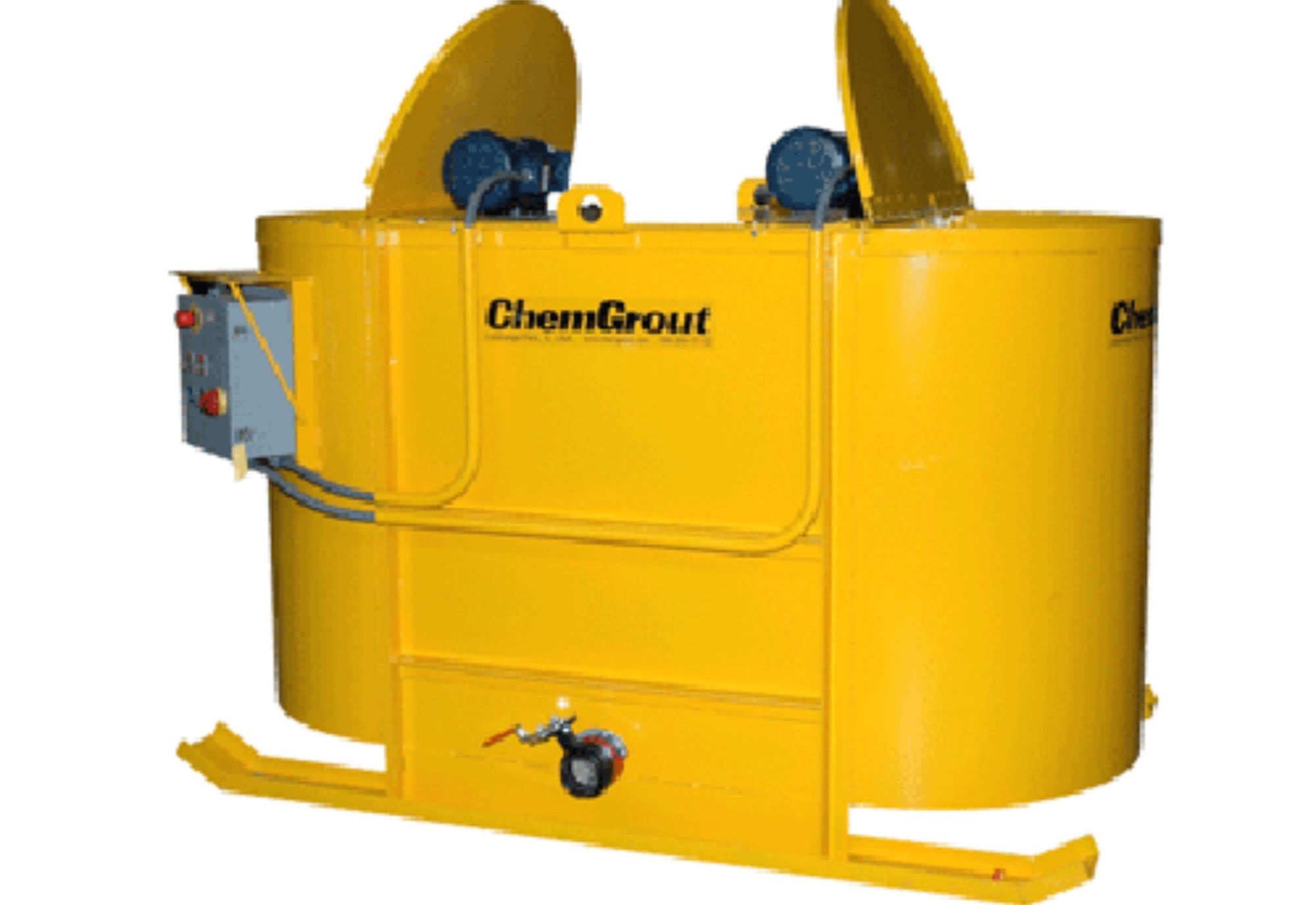
Mobile grout plants are skid-mounted, trailer-mounted, containerized, or otherwise designed for relocation. They are valuable when crews need to move between anchor rows, tunnel sections, shaft locations, repair areas, or separate project sites.
Mobility is not only about transport. It also affects setup time, site access, hose routing, water supply, cleaning, and how close the plant can be positioned to the injection point. A smaller mobile grout station may outperform a larger fixed setup if the project has tight access or frequent moves.
Automatic Grout Plants
Automatic grout plants use controls to support repeatable batching, mixing cycles, pumping, pressure monitoring, flow measurement, and sometimes production data. They are especially useful when quality records matter or when a project uses the same mix repeatedly over many injection points.
Automation does not remove the need for skilled operators. It helps the crew repeat a defined process more consistently. The project still needs the correct mix design, pump configuration, hose layout, testing procedure, and cleaning discipline.
High-Capacity Grout Plants
High-capacity grout plants are built for larger production demands. They may include larger mixers and agitators, bulk cement handling, silos, water batching, higher-output pumps, multiple injection lines, and more robust controls.
These systems are common on tunnels, dams, mines, major foundations, and infrastructure projects where downtime is expensive and grout demand is sustained. They also require more planning: transport, lifting, site layout, power, water, spare parts, washout area, and operator training all become more important.
Grout Pump and Mixer Configurations
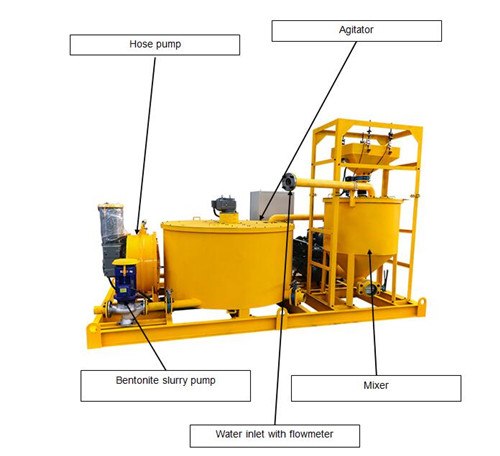
Grout plants are also classified by pump configuration. Manufacturer product lines commonly include piston grout pumps, plunger pumps, progressive cavity pumps, hose pumps, mixers, agitators, flow meters, grout headers, hoses, water batchers, packers, and pressure gauges.
The pump should match the grout material and the job. Thin cement grouts, sanded grouts, bentonite mixes, chemical grouts, and repair materials do not all behave the same way. The right pump configuration depends on pressure, flow, abrasiveness, solids content, hose length, vertical lift, and injection method.
Which Type of Grout Plant Should You Choose?
Start with the project requirements, then choose the equipment. Before buying or renting a grout plant, confirm:
- Grout mix design, including cement, water, bentonite, sand, or additives.
- Required grout output, pressure, and flow rate.
- Whether the job needs stable high-shear mixing or simpler paddle mixing.
- Site access, available working space, and whether the plant must move often.
- Manual, semi-automatic, or automatic control requirements.
- Material supply method, including bags, bulk bags, hoppers, or cement silos.
- Required hoses, headers, gauges, packers, wear parts, and cleaning plan.
If you are still defining the basics, start with What Is a Grout Plant?. If you are ready to compare available machines, browse Vernep's grout plants and silos, review rental options, or contact Vernep for project-specific guidance.
Frequently Asked Questions
What are the main types of grout plants?
The main types of grout plants include colloidal grout plants, paddle grout plants, mobile grout plants, automatic grout plants, and high-capacity grout plants. Some systems are also defined by pump type or application.
What is the difference between a colloidal grout plant and a paddle grout plant?
A colloidal grout plant uses high-shear mixing to create a stable grout suspension, while a paddle grout plant uses rotating paddles for straightforward mixing. Colloidal systems are often preferred when grout stability and consistency are critical.
Are mobile grout plants suitable for foundation work?
Yes. Mobile grout plants can be suitable for anchors, micropiles, soil stabilization, repairs, and other foundation work where the equipment must move between work areas or sites.
When should you choose an automatic grout plant?
Choose an automatic grout plant when repeatable batching, controlled mixing cycles, production records, pressure monitoring, or consistent output are important to the project.
Which grout plant type is best?
The best grout plant type depends on the grout mix, required pressure, output, site access, mobility, documentation needs, and application. There is no single best system for every project.
References and Further Reading
Need Help Comparing Grout Plant Types?
Vernep can help you compare grout plants, cement silos, grout pumps, accessories, rentals, spare parts, and service support based on your project requirements.