
Quick Answer
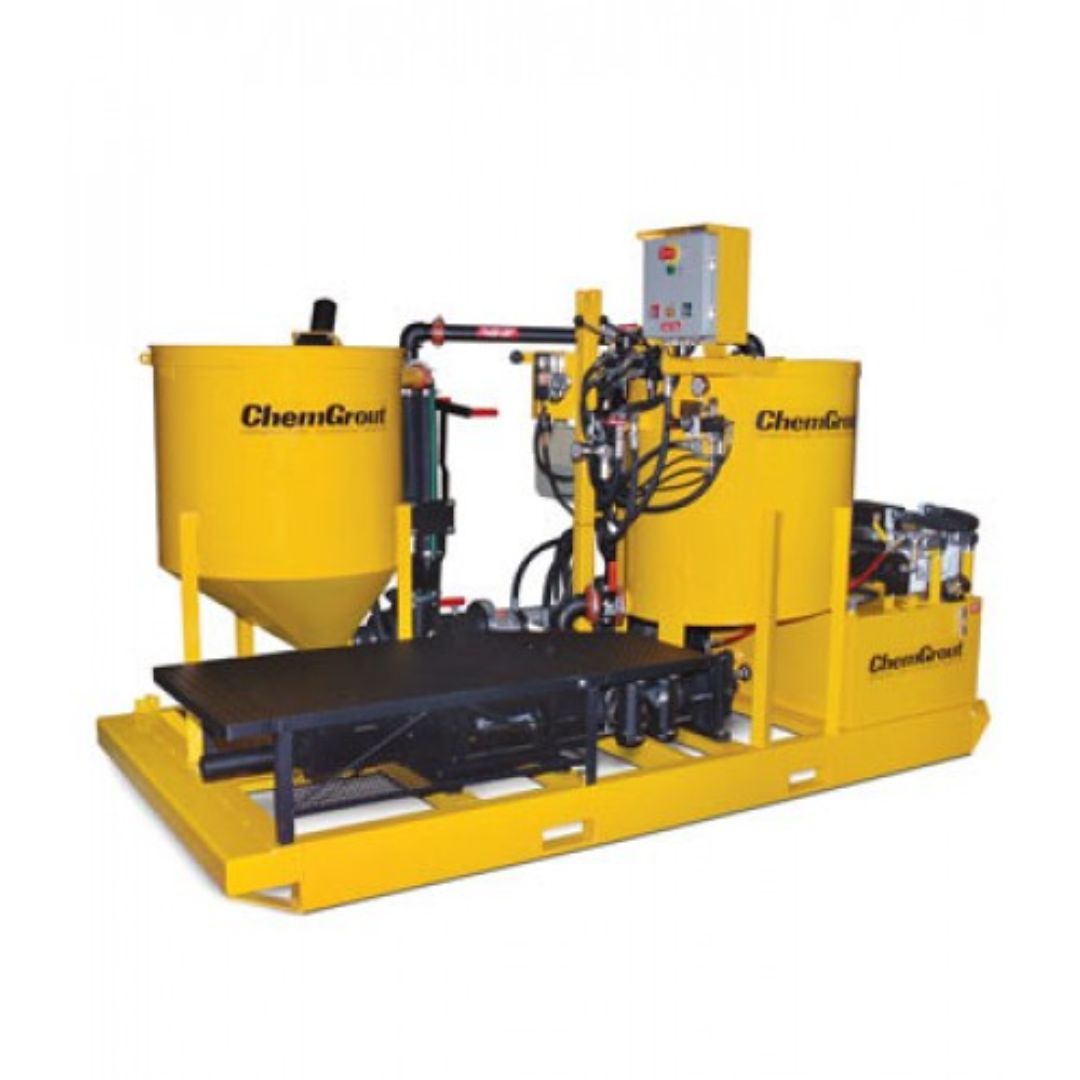
A grout plant is a grouting equipment system that mixes water, cement, additives, or other grout materials and pumps the finished grout to an injection point. Contractors use grout plants for foundation works, tunneling, mining, dams, anchors, soil stabilization, void filling, and other projects where controlled grout mixing and delivery matter.
What Is a Grout Plant?
A grout plant is a job-site system used to prepare and deliver grout for construction, ground engineering, and foundation works. In simple terms, it combines a grout mixer, holding or agitation equipment, a grout pump, hoses, controls, and material handling equipment into one grouting workflow.
Grout is usually a flowable mixture based on water, cement, bentonite, sand, additives, chemical grout, or project-specific materials. The mix is pumped into soil, rock, cracks, annular spaces, anchors, micropiles, tunnel voids, post-tensioning ducts, machine bases, dam foundations, or other spaces that need filling, sealing, strengthening, or stabilization.
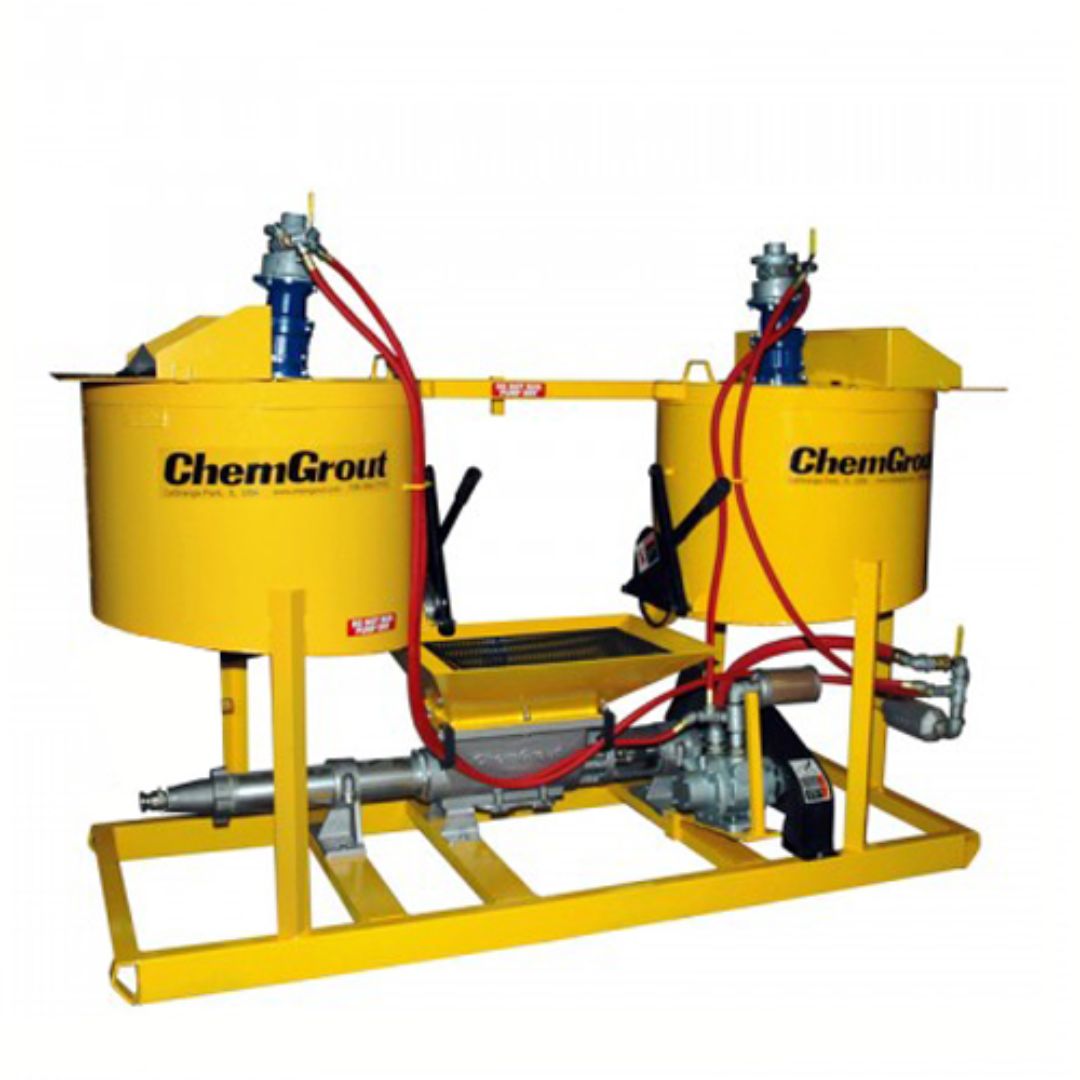
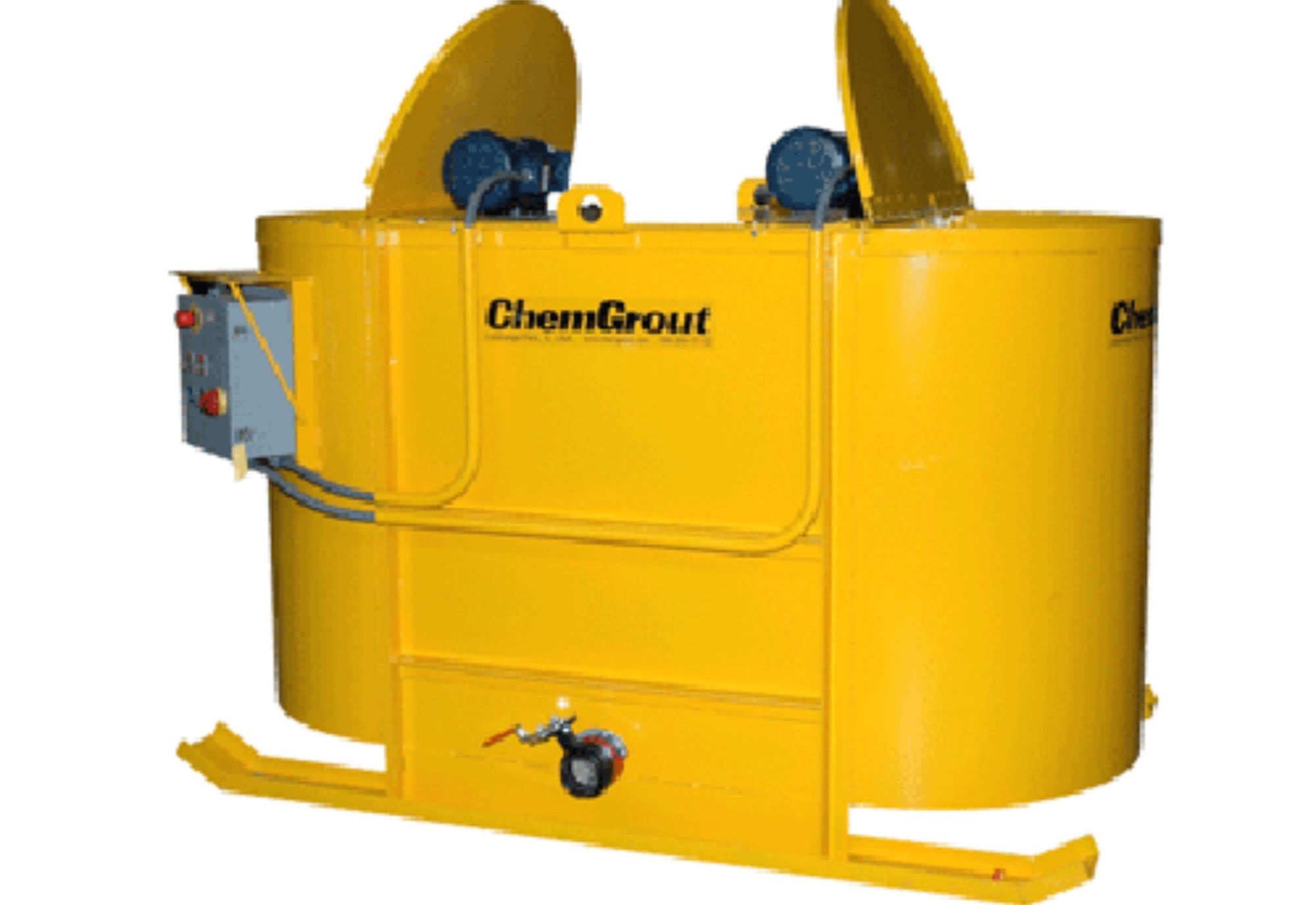
The term grout plant can describe a compact mixer-pump unit, a mobile grout station, or a high-capacity grout mixing plant with silos and automated controls. The right setup depends on output, pressure, mix design, site layout, and the grouting method.
Why Is Grouting Important?
Grouting is important because it lets contractors improve ground, fill hidden voids, seal water paths, strengthen foundations, and support underground or structural works without always excavating the entire problem area.
In geotechnical engineering, grout can be injected into soil or rock to reduce permeability, increase strength, control water, fill cavities, bond anchors, or improve contact between structural elements and the surrounding ground. In construction, grout can support base plates, ducts, precast elements, post-tensioning systems, voids, and repair zones.
Ground stabilisation
Grouting can improve weak or loose ground by filling voids, reducing water movement, binding particles, or creating improved soil zones. The selected grout and injection method must match the ground conditions.
Foundation strengthening
Foundation grouting equipment is often used around piles, micropiles, anchors, underpinning works, and remediation projects where load transfer or ground improvement is required. It can also support work linked with piling drill rigs and other foundation equipment.
Tunnel construction
Tunnels may require grout for backfilling, contact grouting, consolidation, water control, rock bolts, anchors, and annular gap filling. A reliable grout injection plant helps maintain consistent material quality and production rhythm underground.
Dam construction and repair
Dams and hydraulic structures often use grouting to reduce seepage through rock foundations, fill joints or cracks, and improve contact between the structure and foundation. Consistency and quality control are especially important because grout performance can affect long-term water control.
Mining, bridges, and heavy civil works
Mining operations use grouting for ground support, water control, void filling, and stabilization. Bridge and infrastructure teams may use grout plants for anchors, post-tensioning ducts, bearing pads, undersealing, abutments, and foundation support.
How Does a Grout Plant Work?
The exact workflow depends on the grout mix and equipment configuration, but most grout plants follow the same basic process.
- Materials are prepared. Cement, water, bentonite, sand, additives, or chemical components are staged near the plant. Larger grout stations may use cement silos and water batching systems.
- The grout is mixed. The mixer combines the materials into a flowable grout. The goal is a consistent mix with the right water-cement ratio, viscosity, stability, and pumpability.
- The mix is transferred to an agitator. The agitator keeps grout moving so it does not settle before pumping. This is especially important for cement grout and bentonite-cement mixes.
- The pump sends grout to the work area. A grout pump moves the material through hoses, grout lines, headers, lances, packers, anchors, or injection points.
- Flow and pressure are monitored. Operators track pressure, volume, output, and mix behavior. Some grout plants include automated controls or data recording.
- The system is flushed and cleaned. Grout can harden inside hoses and pumps, so cleaning is part of the production cycle, not an afterthought.
Main Components of a Grout Plant
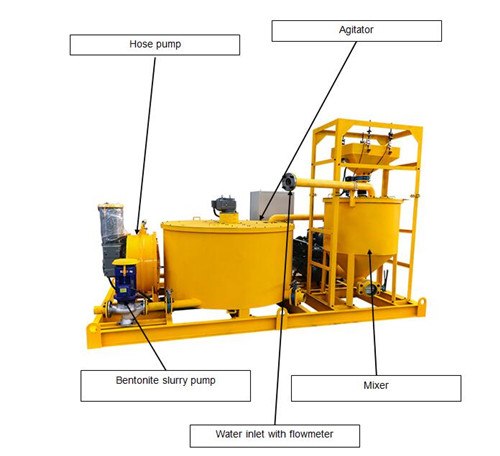
A grout plant can be simple or highly automated, but the main components are usually easy to recognize.
| Component | Purpose | What to check |
|---|---|---|
| Mixer | Combines water, cement, additives, or other grout materials. | Mixing method, batch size, mixing speed, material compatibility. |
| Agitator | Keeps grout suspended before it is pumped. | Holding capacity, agitation speed, cleaning access. |
| Grout pump | Moves grout through lines to the injection point. | Pressure, output, pump type, material abrasiveness, seals, wear parts. |
| Cement silo or hopper | Stores dry cement or feeds material into the mixer. | Capacity, site access, dust control, loading method. |
| Water system | Supplies and measures water for the mix. | Batch accuracy, pressure, filtration, temperature, supply reliability. |
| Control panel | Controls mixing, pumping, monitoring, and sometimes data capture. | Manual vs automatic operation, fault displays, operator access. |
| Delivery hoses and accessories | Carry grout to headers, packers, anchors, ducts, or injection points. | Diameter, pressure rating, couplings, valves, gauges, cleaning plan. |
Types of Grout Plants
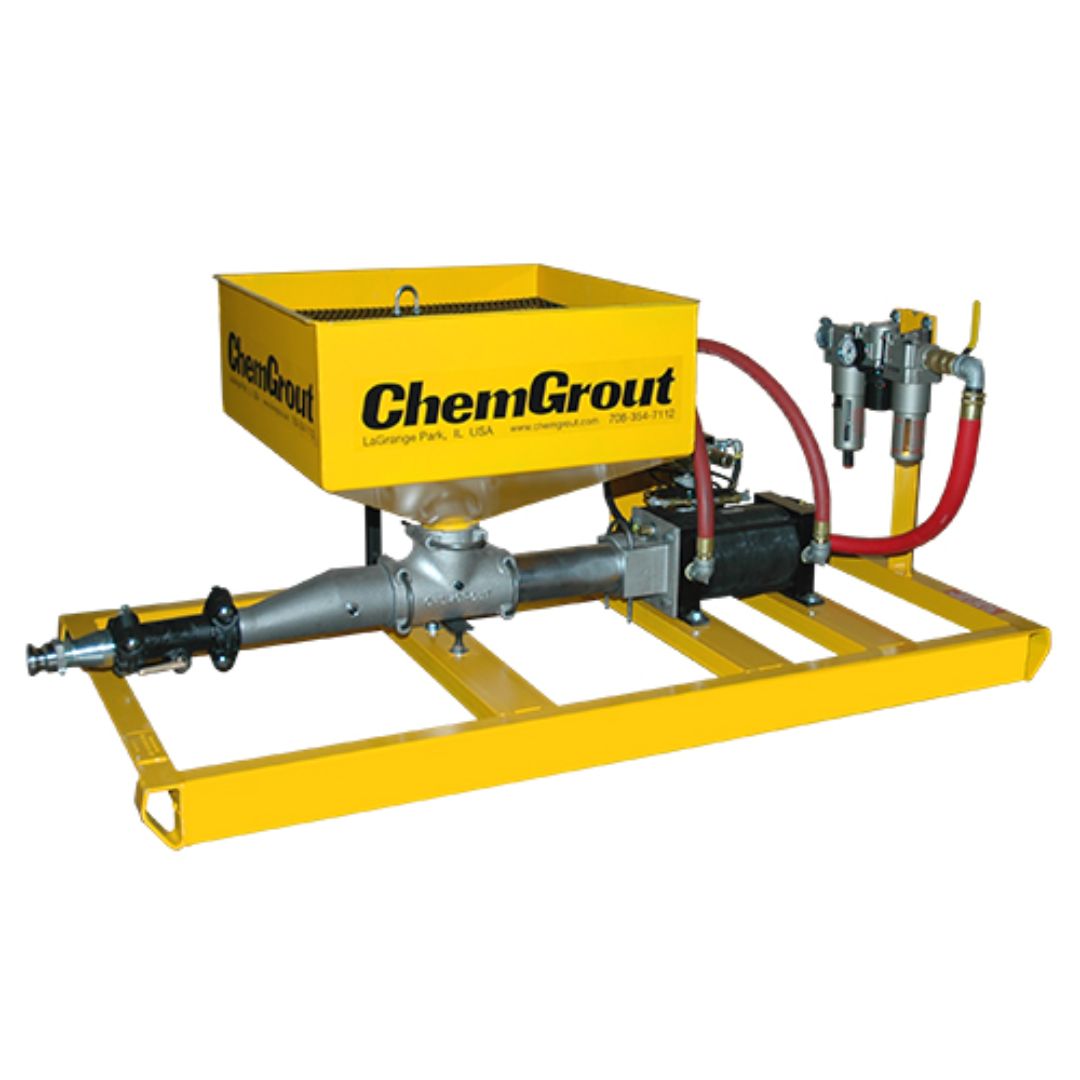
Different grout plant types exist because not every project needs the same output, mixing energy, pressure, mobility, or automation. Future Vernep supporting guides can go deeper into each type.
Colloidal grout plants
Colloidal grout plants use high-shear mixing to create a smooth and stable grout suspension. They are often chosen where grout quality, consistency, and reduced bleeding are important.
Paddle grout plants
Paddle grout plants use rotating paddles to mix grout materials. They are common for general grouting work and can be practical for contractors who need straightforward operation and maintenance.
Automatic grout plants
Automatic grout plants can improve repeatability by controlling batching, mixing cycles, pressure, flow, and sometimes data logging. They are useful where documentation and consistent production are priorities.
Mobile grout plants
Mobile grout plants are skid-mounted, trailer-mounted, containerized, or otherwise built for relocation. They fit projects where the equipment must move between work fronts or sites.
High-capacity grout plants
High-capacity grout plants are built for larger output, higher duty cycles, bulk material supply, and demanding infrastructure or tunneling work. They often require more planning for silos, power, water, cleaning, and site layout.
Common Applications
Grout plants are used anywhere a controlled grout mixture must be delivered reliably to a specific location. Common applications include:
- Foundation construction: Micropiles, anchors, underpinning, base grouting, annular filling, and pile-related support work.
- Tunnelling: Annular gap grouting, contact grouting, consolidation, water control, and rock support.
- Mining: Ground support, water sealing, void filling, cable bolts, and backfill support.
- Anchoring: Tiebacks, rock bolts, soil nails, and structural anchors that need controlled grout placement.
- Soil stabilisation: Permeation, compaction, jet grouting support systems, and improvement of weak zones.
- Dam repairs: Foundation curtain grouting, crack filling, leakage reduction, and contact improvement.
- Bridge construction: Post-tensioning ducts, bearing pads, abutment work, void filling, and rehabilitation.
Advantages of Using a Grout Plant
A dedicated grout plant offers several practical advantages over improvised mixing and pumping setups:
- Consistent grout quality: Controlled mixing reduces variation between batches.
- Better productivity: A mixer, agitator, and pump can support continuous or near-continuous grouting cycles.
- Improved pumpability: The correct mixer and agitator help keep grout stable before pumping.
- More control: Operators can monitor pressure, flow, volume, and injection response.
- Cleaner site workflow: Dedicated grout equipment can reduce material handling confusion and downtime.
- Scalability: Contractors can move from compact units to larger grout stations as project demand increases.
- Better documentation: Automated systems may support data recording for quality control and project records.
Choosing the Right Grout Plant
Choosing a grout plant starts with the work, not the equipment brochure. Before buying or renting, clarify:
- Grout material and mix design.
- Required pressure and flow rate.
- Batch size, output, and production schedule.
- Manual, semi-automatic, or automatic operation.
- Power source, water supply, and site access.
- Cement supply method: bags, bulk bags, hopper, or silo.
- Hose length, vertical lift, injection point layout, and cleaning plan.
- Wear parts, spare parts, service support, and operator experience.
For short-term work or uncertain utilization, grout plant rental may be better than ownership. For repeat grouting work, ownership can provide better equipment control, especially when paired with spare parts, service support, and a consistent material handling setup.
Recommended Video
Title: Welcome to ChemGrout
Channel: ChemGrout, Inc.
This manufacturer video resource is useful for seeing grout mixers, grout pumps, and complete grouting systems as real equipment rather than abstract components. It is most helpful after reviewing the component section above.
Frequently Asked Questions
What is a grout plant?
A grout plant is a grouting equipment system that mixes water, cement, additives, or other grout materials and pumps the prepared grout into soil, rock, anchors, voids, tunnels, foundations, or structural spaces.
What is the difference between a grout plant and a grout pump?
A grout pump moves mixed grout to the injection point. A grout plant is a complete system that may include a mixer, agitator, pump, water system, controls, hoses, silos, and accessories.
How does a grout mixing plant work?
A grout mixing plant measures water and dry materials, mixes them into a consistent grout, holds the mix in an agitator, then pumps it through hoses or injection lines to the work area under controlled flow and pressure.
What are grout plants used for?
Grout plants are used for foundation works, tunnel construction, mining, dam repairs, ground stabilization, soil improvement, anchors, micropiles, bridge works, void filling, and other geotechnical grouting applications.
What is a colloidal grout plant?
A colloidal grout plant uses high-shear mixing to produce a smooth, stable cement grout. It is often used where consistent grout quality, suspension stability, and pumpability are important.
How do you choose the right grout plant?
Choose a grout plant by reviewing grout mix design, required output, pumping pressure, flow rate, site space, mobility, automation needs, material supply, power source, hoses, accessories, and service support.
Can grout plants be rented?
Yes. Rental can make sense for short-term projects, specialist grouting work, uncertain utilization, or when a contractor needs a grout plant before committing to ownership.
Do grout plants need cement silos?
Not always. Small plants may be loaded manually or by bags, while larger grout stations often use cement silos or bulk material handling systems to improve output, consistency, and job-site efficiency.
References and Further Reading
- ChemGrout: Grouting equipment, mixers, pumps, accessories, and industry applications
- ChemGrout: Product categories for paddle mixing equipment, colloidal mixing equipment, grout pumps, mixers, and agitators
- Soilmec: Ancillaries including mud line, grout line, and drilling tools
- Soilmec: Grout line for preparation and injection of water-cement mix
Need Help Choosing the Right Grout Plant?
Vernep can help you compare grout plants, cement silos, pumps, compressors, rental options, spare parts, and service support based on your project requirements.